

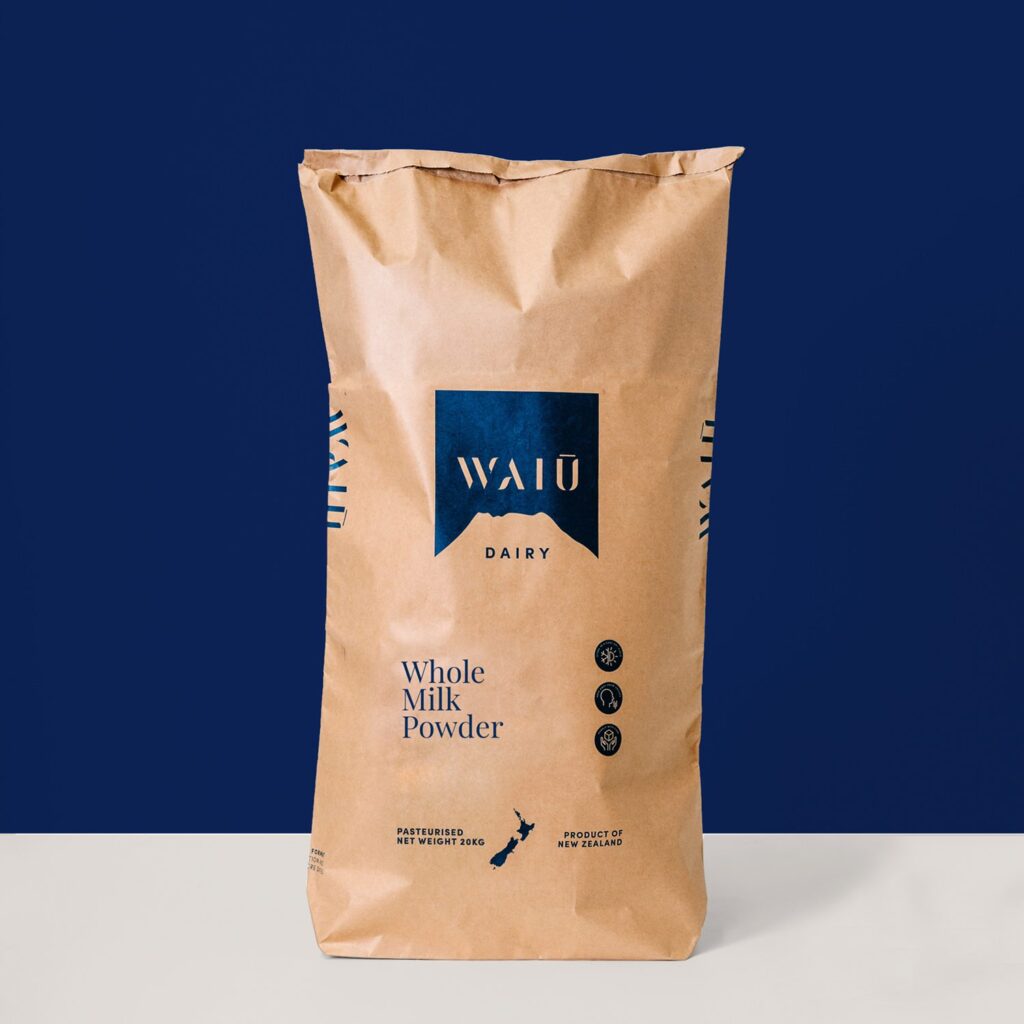
01 / OPTION
Filling and closing methods
Open-mouth or valve constructions must suit filling and closing equipment.
Discuss your requirements ↗Plastrum / Industrial paper sacks
Industrial paper sack specifications are determined by the contents, filling method and supply chain. We compare open-mouth, valve and block-bottom constructions.
Dimensions, material and printing tailored to your project.
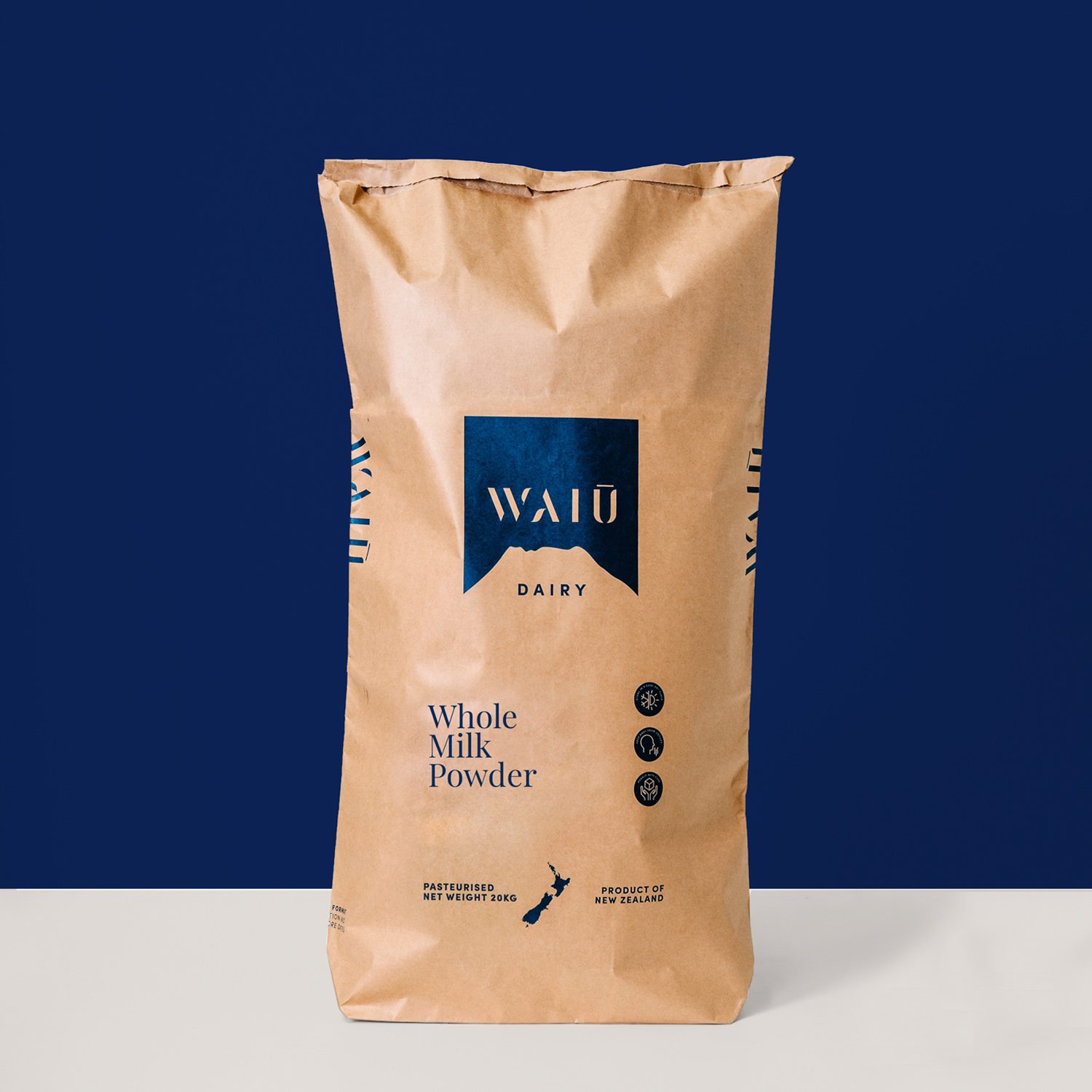
Product example. The exact solution and design are agreed with you to suit your project.
01 / Your options
We combine use, material and design into a suitable solution.
Open-mouth or valve constructions must suit filling and closing equipment.
Discuss your requirements ↗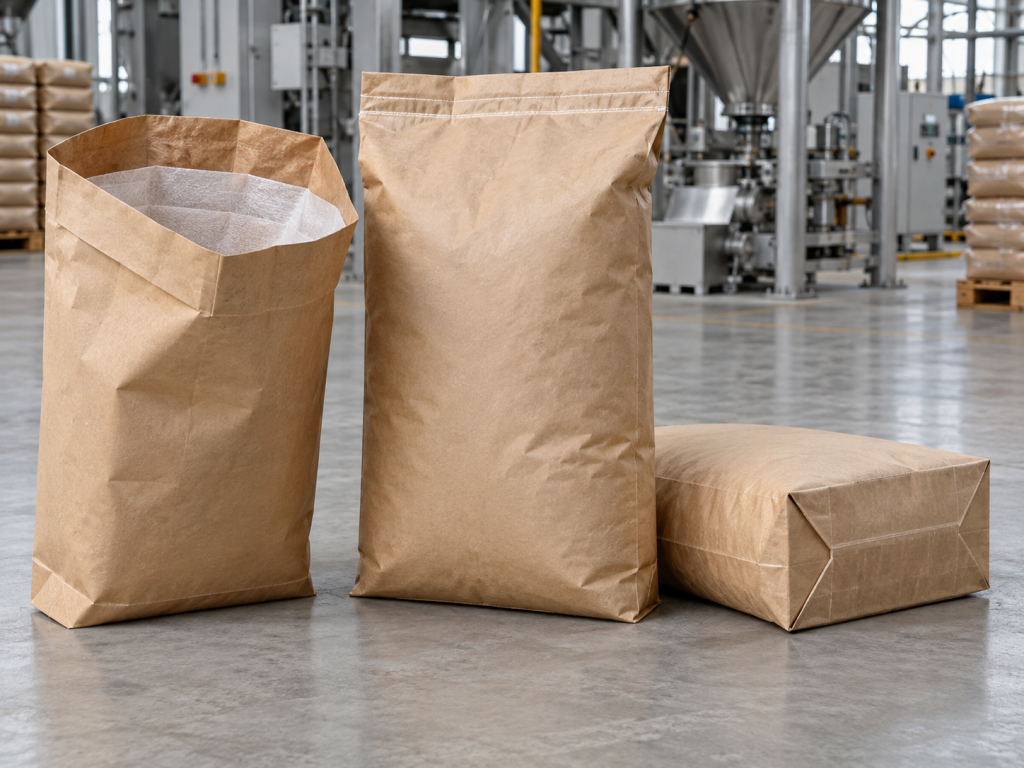
Paper layers and any inner liner are selected according to the properties of the contents.
Discuss your requirements ↗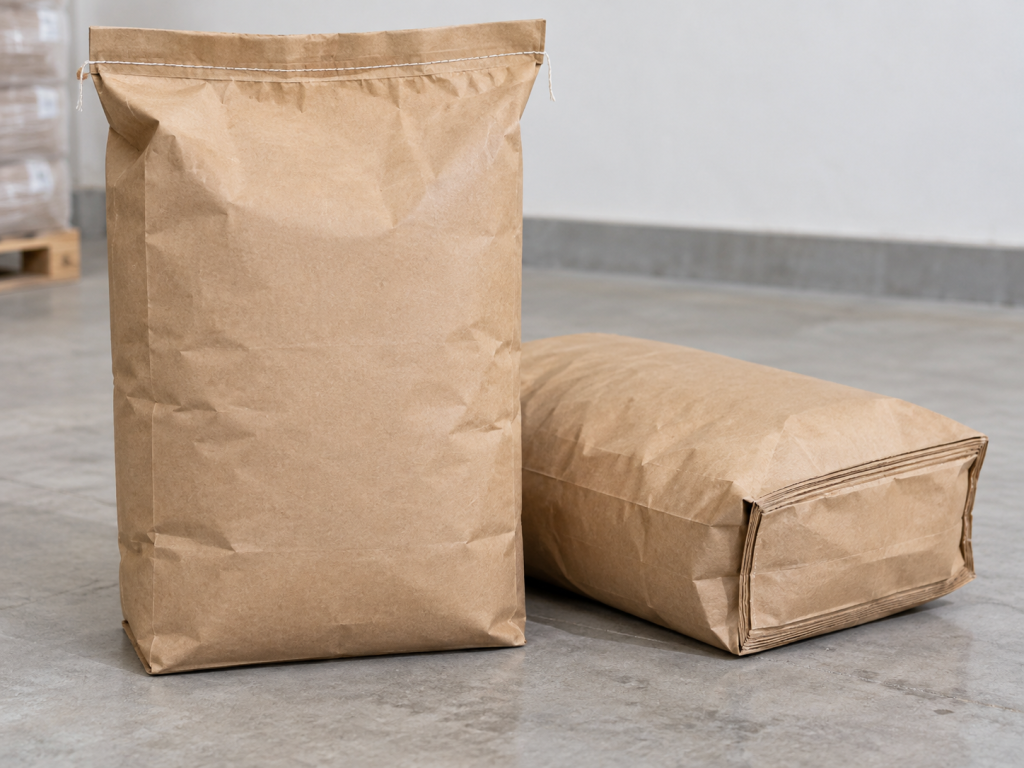
We account for fill weight, pallet layout and the journey from production to customer.
Discuss your requirements ↗02 / A considered solution
Include a description of the contents, fill weight, line requirements, bag dimensions and annual demand.
Discuss your requirements ↗03 / Easy to order
Describe the use, quantity and deadline. Add a sample, drawing or artwork.
We select suitable production options and prepare a quotation.
We agree the specification, any sample, printing and delivery schedule.
We liaise with the manufacturer and arrange delivery to the agreed destination.
04 / Good to know
We clarify the important details before production starts.
Include a description of the contents, fill weight, line requirements, bag dimensions and annual demand.
The minimum depends on dimensions, material, printing and production method. Include your required quantity; the exact minimum is confirmed in the quotation.
Include your required arrival date. Production and delivery timing are confirmed after the specification and artwork are agreed.
A technical overview of industrial paper packaging constructions, materials, printing and production.
Industrial paper packaging can appear simple until you need to choose between an open-mouth sack for fast manual filling, a valve sack for an automatic line or a block-bottom construction for stable storage. The wrong construction can slow filling, cause leakage and increase logistics damage.
PBOM sacks suit fast manual or semi-automatic filling. The open top is closed after filling. A two- to four-ply construction provides stability and pallet stackability for high-volume dry goods, powders and granules.
A valve sack is filled through its valve. Closure depends on the valve construction and filling line; ultrasonically sealable valves require compatible sealing equipment after filling. Options include paper insert valves, poly-lock valves, ultrasonically sealable valves and tuck-in valves. The choice depends on product density, filling speed and dust-control requirements. Ultrasonic sealing helps reduce powder leakage through the valve when the sack and sealing equipment are compatible.
Block-bottom sacks stand upright and suit manual or automatic filling. Their stability and shelf presentation suit products needing to stand in-store or in storage rather than lie flat on a pallet. This construction supports both logistics and visibility.
Material selection determines load capacity and protection during storage and transport. Moisture, grease and aggressive contents place different demands on paper packaging than ordinary retail use.
One- to five-ply kraft paper is a standard solution for many dry products. PE-coated paper and LDPE inner layers add moisture protection for products that must not absorb moisture in storage. Air and moisture barriers matter where product quality depends on transport and storage conditions.
HDPE barrier layers and PE/PP laminates can provide additional protection for greasy or aggressive contents, including chemicals, minerals and building powders. A suitable layer structure helps protect both product and packer and reduce leaks and damage in the supply chain.
Industrial sack printing is more than decoration. Logos, text and information often include logistics markings, safety information and traceability details that must remain readable throughout the supply chain.
Flexographic printing in up to eight colours with Pantone references supports consistent quality across the run. Printing can cover front, back, side gussets and bottom for branding, technical information, hazard markings and logistics identifiers.
Logos and personalised designs combine practical packaging with professional presentation. Up to eight-colour flexographic printing can add branding, product information, instructions, safety markings and other required details in the same process.
Industrial paper sacks serve sectors where packaging must meet logistics, safety and branding requirements together.
Strong, moisture-resistant sacks for heavy, abrasive contents and demanding storage.
Moisture- and grease-resistant materials to preserve product quality in storage and reduce spoilage risk.
Strong, high-capacity sacks selected for exposure conditions and repeated loading and handling.
Suitable barrier materials to protect products and handlers from aggressive contents.
Dust-resistant construction and strong bottoms for heavy loads and intensive handling.
Pallet-stackable construction that remains stable, reduces damage and simplifies storage and load handling.
Plastrum coordinates production with European partners and helps choose construction, layer structure, materials and printing for the technical requirements. We serve businesses throughout the Baltic and Scandinavian markets, from defining requirements to delivering finished packaging.
05 / Tell us about your project
Include a description of the contents, fill weight, line requirements, bag dimensions and annual demand. You do not need to have every detail decided yet.
Plastrum selects a suitable manufacturer and coordinates the order and delivery.
Industrial paper sacks
Describe your requirements in the message. Attach artwork, a photo or a specification.
"*" indicates required fields
"*" indicates required fields