

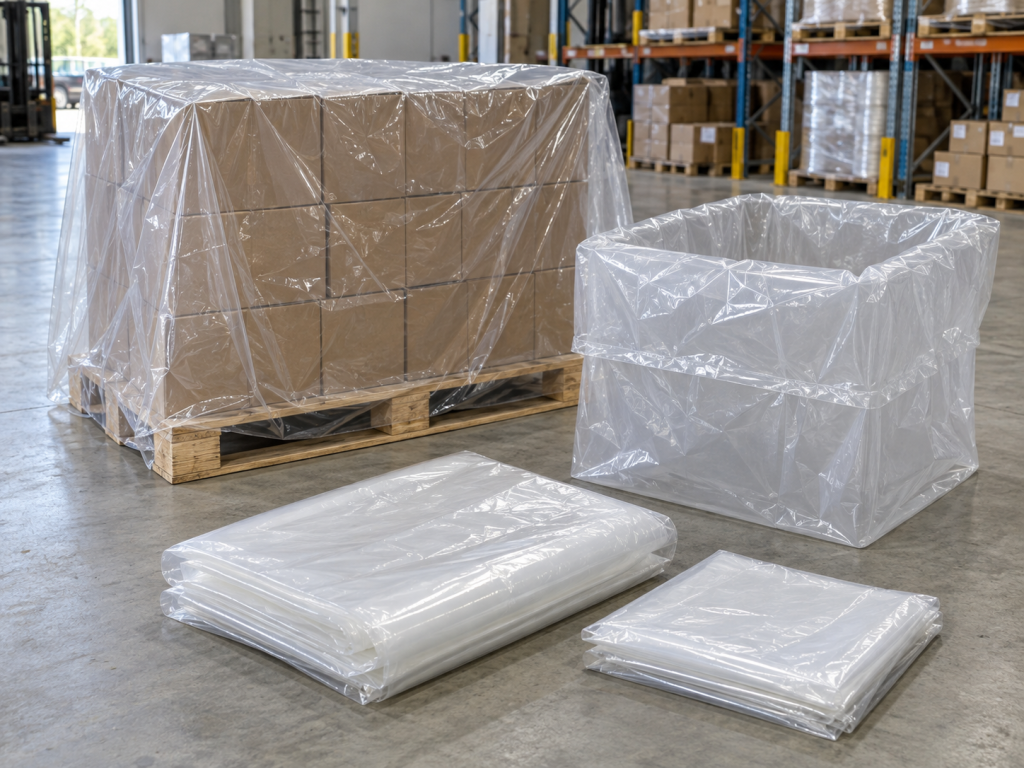
01 / OPTION
Packing process
We start with whether packing is manual or automated and how the pack is closed.
Discuss your requirements ↗Plastrum / Industrial film packaging
Industrial film packaging is selected according to product, packing method and logistics. We help define dimensions, material, construction and required printing.
Dimensions, material and printing tailored to your project.
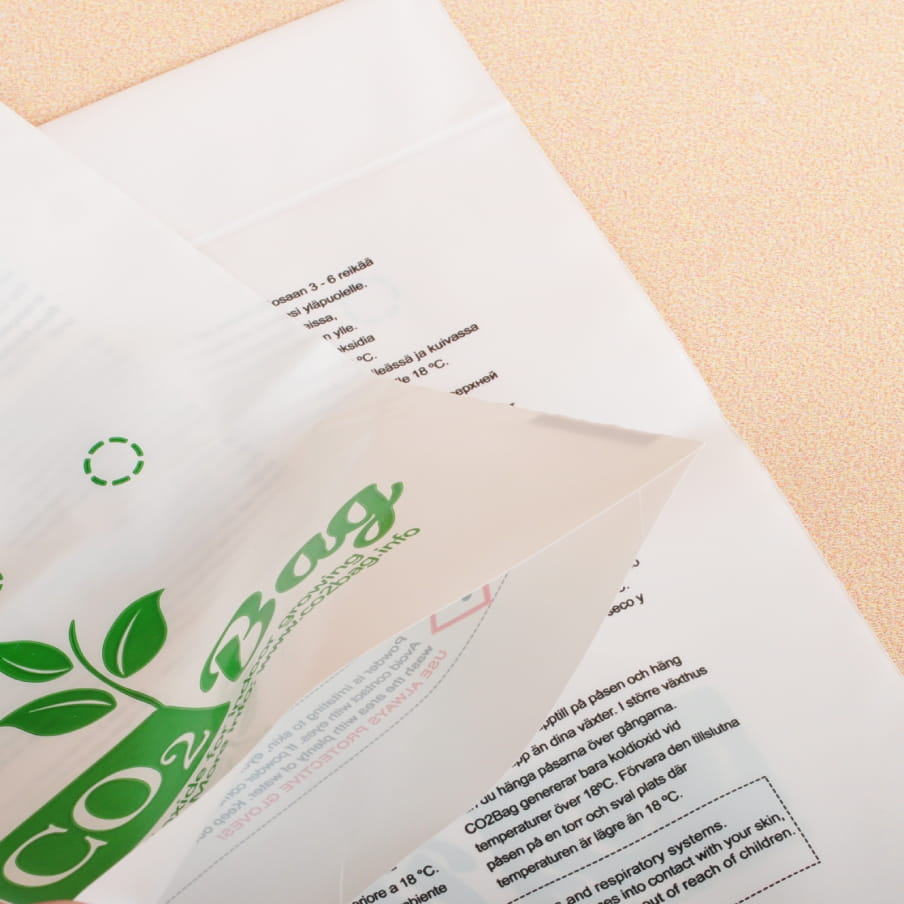
Product example. The exact solution and design are agreed with you to suit your project.
01 / Your options
We combine use, material and design into a suitable solution.
We start with whether packing is manual or automated and how the pack is closed.
Discuss your requirements ↗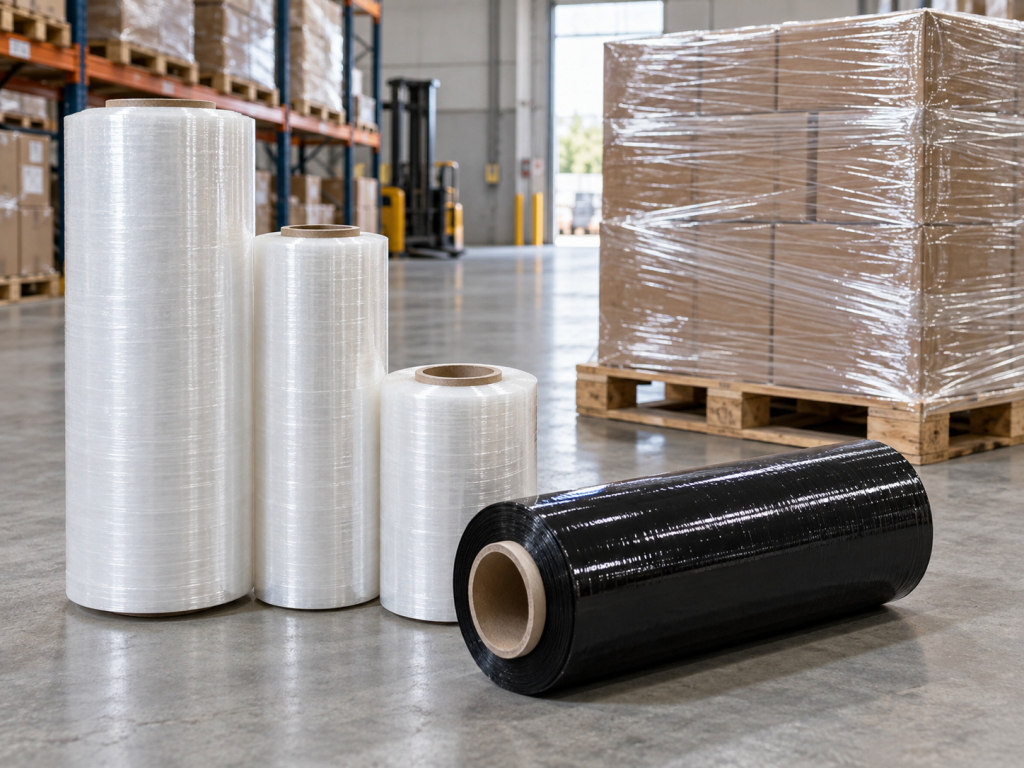
Film thickness and properties are selected for product shape, weight and protection needs.
Discuss your requirements ↗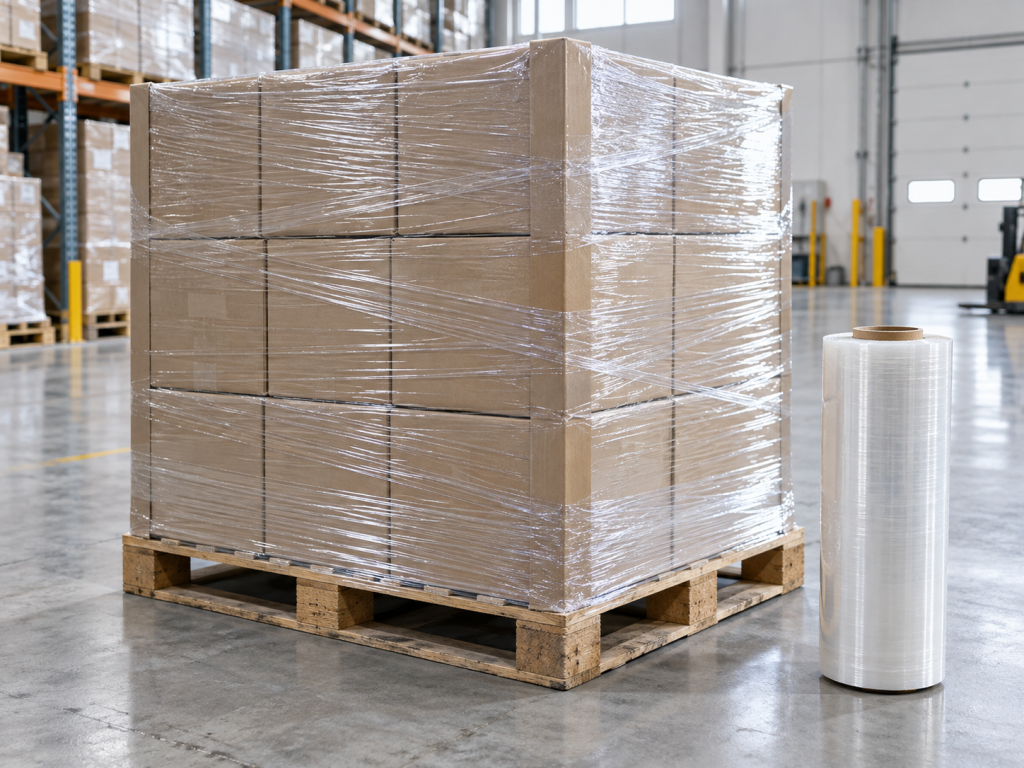
Gussets, flaps, perforations and markings are agreed alongside production requirements.
Discuss your requirements ↗02 / A considered solution
Include product description, dimensions and weight, packing-line requirements, quantity and printing.
Discuss your requirements ↗03 / Easy to order
Describe the use, quantity and deadline. Add a sample, drawing or artwork.
We select suitable production options and prepare a quotation.
We agree the specification, any sample, printing and delivery schedule.
We liaise with the manufacturer and arrange delivery to the agreed destination.
04 / Good to know
We clarify the important details before production starts.
It depends on product weight and shape and the equipment. LDPE suits flexible packaging; HDPE and CPP/OPP are options where a more stable construction is needed. Confirm compatibility with the line.
Yes. Flexographic printing in up to eight colours can add logos, product information and technical markings.
Suitable food-contact CPP or OPP grades offer good clarity. The exact choice depends on the food and intended conditions of use.
The minimum depends on dimensions, material, printing and production method. Include your required quantity; the exact minimum is confirmed in the quotation.
Include your required arrival date. Production and delivery timing are confirmed after the specification and artwork are agreed.
A technical overview of industrial film packaging dimensions, materials, printing and production.
Dimensions, material, thickness, construction and printing are specified before production. Plastrum can help optimise the technical solution for production-line and logistics requirements.
Industrial film packaging has an important requirement beyond an ordinary retail bag: it must work as part of a specific production line or logistics process. An unsuitable material can disrupt production, damage goods in transit or fail in automatic packing.
LDPE is soft and flexible, suitable for heavier or irregular products and transport or warehouse packaging where flexibility matters more than stiffness. HDPE provides a stiffer construction for demanding handling; suitability for sharp-edged products must be assessed for the specific grade and thickness. CPP and OPP offer a consistent structure and good clarity for food, bakery and technical products. POF shrink packaging provides gloss and uniform shrinkage for sets and products needing a close-fitting protective wrap.
Industrial film packages are available in widths of 27–1,000 mm, heights of 30–720 mm and thicknesses of 10–200 μm, depending on material and load requirements. Construction is selected for the line and application, with options including perforations, flaps, reinforced seals, hanging holes and adhesive strips.
Printed industrial packaging makes the package part of your brand. Logos and custom designs support a professional customer experience and visibility throughout the supply chain. Flexographic printing in up to eight colours supports consistent results across large production runs.
Food manufacturing uses suitable CPP/OPP or LDPE grades according to freshness, clarity and food-contact requirements.
Logistics and warehousing need strong packaging that withstands stacking and handling.
Household chemicals and cleaning products need compatibility with the packaged formulation.
Textiles and clothing use flexible LDPE packaging that adapts to different shapes.
Small plastic parts and technical components require film with resistance suited to the edges and handling conditions.
E-commerce and retail need packaging that withstands transport and presents the product well on arrival.
Unprinted stock products start at 1,000 pieces. Printed production starts at 5,000–10,000 pieces depending on manufacturer and material. Custom quantities depend on technical complexity.
Plastrum selects a suitable manufacturer and material combination to match production-line requirements and the finished product’s packaging specification. We compare manufacturers, coordinate quality control and manage production from start to finish for businesses in the Baltic and Scandinavian markets.
It depends on product weight and shape and the equipment. LDPE suits flexible packaging; HDPE and CPP/OPP are options where a more stable construction is needed. Confirm compatibility with the line.
Yes. Flexographic printing in up to eight colours can add logos, product information and technical markings.
Stock products start at 1,000 pieces and printed production at 5,000–10,000 pieces, depending on the manufacturer.
Suitable food-contact CPP or OPP grades offer good clarity. The exact choice depends on the food and intended conditions of use.
05 / Tell us about your project
Include product description, dimensions and weight, packing-line requirements, quantity and printing. You do not need to have every detail decided yet.
Plastrum selects a suitable manufacturer and coordinates the order and delivery.
Industrial film packaging
Describe your requirements in the message. Attach artwork, a photo or a specification.
"*" indicates required fields
"*" indicates required fields